Why Light Weight Aluminum Foundries Are Necessary To the Growing Electric Automobile Sector
Aluminum foundries play a pivotal duty in the electrical lorry market by offering durable and lightweight parts. These materials contribute substantially to lorry efficiency and effectiveness. The cutting-edge spreading techniques utilized by shops enable elaborate layouts that improve both the rules of aerodynamics and thermal administration. As sustainability becomes a concern, the change to recycled light weight aluminum and energy-efficient methods increases essential questions regarding the future landscape of EV production and its ecological impact.
The Role of Light Weight Aluminum in Electric Lorry Layout
As electrical automobile suppliers look for to boost performance and performance, aluminum has become a vital product in lorry design. Its light-weight nature contributes significantly to the general decrease of vehicle mass, which is important for maximizing battery performance and prolonging range. Aluminum is likewise highly flexible, enabling intricate styles that enhance the rules of aerodynamics and aesthetic allure. Its excellent corrosion resistance assurances longevity, reducing the demand for upkeep in time. Aluminum's thermal conductivity help in effective warm management systems, vital for electrical drivetrains and battery long life. These features make light weight aluminum a recommended option for various components, consisting of framework, body panels, and battery units. As the industry advances, light weight aluminum shops play an essential duty in providing high-quality materials customized for sophisticated manufacturing processes, thus supporting the recurring development in electric car innovation. This harmony between aluminum and electrical automobile design underscores the product's indispensable position in modern auto design.
Advantages of Lightweight Products for EV Performance
Weight decrease is an important consider boosting electric automobile (EV) performance. Lighter products, such as light weight aluminum, play a considerable function in this scenario by boosting efficiency and prolonging the lorry's variety. When an EV weighs much less, it calls for much less energy to maintain and speed up rate, thus maximizing battery usage. This efficiency not only boosts efficiency yet also contributes to quicker billing times and minimized power intake.
In addition, light-weight products boost handling and responsiveness, making the driving experience a lot more pleasurable. They additionally allow designers to produce even more wind resistant shapes, further decreasing drag and boosting total efficiency. Additionally, using light-weight materials can result in reduced production prices and boosted sustainability, as they frequently require much less power to make. Eventually, incorporating lightweight products in EV design is essential for achieving the performance goals necessary to contend in a significantly requiring vehicle market.
Technologies in Light Weight Aluminum Spreading Techniques
Recent advancements in aluminum spreading strategies are revolutionizing the production process for electric vehicle components. Innovations such as high-pressure die spreading and steel shot molding allow the manufacturing of complicated geometries with enhanced strength and reduced weight. These approaches permit tighter tolerances and improved surface finishes, which are essential for EV performance and visual appeals.
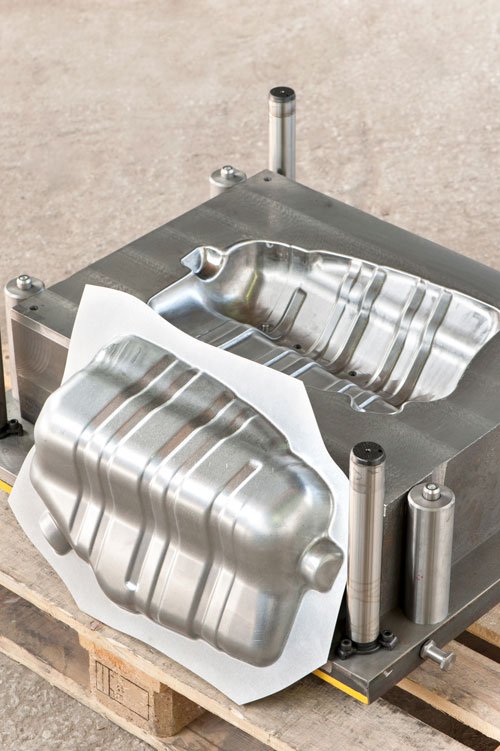
These technologies not only support the requirement for light-weight components but likewise enhance the general durability and security of electric cars. As the sector remains to evolve, these developments in aluminum casting are set to play a crucial role in fulfilling the needs of modern auto layout and production.
Sustainability and the Future of Aluminum Foundries
While the demand for electrical lorries surges, aluminum foundries face journalism obstacle of taking on lasting methods to minimize their environmental footprint. The industry is increasingly scrutinized for its energy-intensive processes and carbon discharges. To attend to these worries, factories are checking out ingenious techniques such as utilizing recycled light weight aluminum, which calls for substantially much less power than generating brand-new aluminum from ore. Additionally, the integration of sustainable energy resources, like solar and wind, is coming to be more prevalent in aluminum production.
Investments in advanced innovations, such as electrical heating systems and energy-efficient casting methods, likewise play a vital duty in improving sustainability. Partnership with automotive makers can ensure that the entire supply chain focuses on environmental duty. As the electrical automobile market continues to expand, light weight aluminum shops that embrace these sustainable techniques will not only fulfill regulatory needs yet also position themselves as leaders in an increasingly eco-conscious market.
Case Studies: Effective Applications of Light Weight Aluminum in EVs
As electric automobile suppliers seek to improve efficiency and performance, the calculated use aluminum has actually become an essential factor in successful automobile layout. Remarkable study illustrate this pattern. Tesla's Design S uses aluminum thoroughly in its chassis and body, significantly minimizing weight while preserving structural integrity. This option not only improves acceleration and range but also enhances safety features.
Similarly, Ford's F-150 Lightning includes light weight aluminum to accomplish a lower general weight, allowing for boosted haul capacity and far better energy effectiveness. The lorry's light weight aluminum body panels and framework contribute to a robust yet lightweight structure, facilitating improved efficiency
In addition, Audi's e-tron showcases aluminum's convenience, using it in both the car's body and battery real estate, boosting thermal administration and toughness. These examples demonstrate just how aluminum's unique residential properties are being leveraged across the electric vehicle sector, setting criteria for technology and sustainability.
Often Asked Questions
What Kinds Of Aluminum Alloys Are Generally Utilized in EV Manufacturing?
Frequently utilized aluminum alloys in electrical automobile manufacturing include 6061, 7005, and 2024. These alloys use a combination of stamina, lightweight residential properties, and rust resistance, making them optimal for various parts web link within electric lorries.
Exactly How Do Aluminum Foundries Influence Resident Economies?
Light weight aluminum foundries substantially improve regional economic climates by producing jobs, boosting associated industries, and drawing in financial investments - aluminum casting. Their procedures cause boosted demand for services and products, promoting development and stability within the surrounding neighborhoods
What Are the Safety Considerations of Using Light Weight Aluminum in EVS?
Safety considerations of using light weight aluminum in electrical automobiles include its flammability, architectural honesty under impact, and potential for deterioration. Learn More Proper alloy selection and treatment processes are crucial to ensure efficiency and safety and security throughout automobile procedure.
Exactly How Does Light Weight Aluminum Recycling Impact the Sector?
Light weight aluminum recycling considerably benefits the market by decreasing production expenses, minimizing ecological impact, and saving power. This lasting practice enhances resource effectiveness, sustaining the development of electric automobiles and promoting a round economic situation within the vehicle sector.
What Are the Labor Demands for Light Weight Aluminum Foundries in EV Production?
Labor demands for light weight aluminum factories in electric vehicle manufacturing consist of competent specialists for casting, designers for style and optimization, and safety personnel. Furthermore, training in reusing procedures enhances efficiency and sustainability in the production chain.
Aluminum foundries play a pivotal role in the electric vehicle industry by providing lightweight and durable components. As electric vehicle suppliers seek to enhance performance and efficiency, aluminum has actually arised as a crucial material in car layout. navigate here As the sector evolves, aluminum shops play an essential role in providing premium materials tailored for advanced production processes, consequently supporting the ongoing innovation in electrical automobile innovation - Aluminum Casting Company. To deal with these issues, shops are discovering ingenious methods such as making use of recycled light weight aluminum, which calls for significantly less power than producing brand-new aluminum from ore. As electric automobile producers seek to boost performance and performance, the critical use of light weight aluminum has actually emerged as an essential factor in effective lorry style
Comments on “Aluminum casting is presented in this step-by-step explanation for industries.”